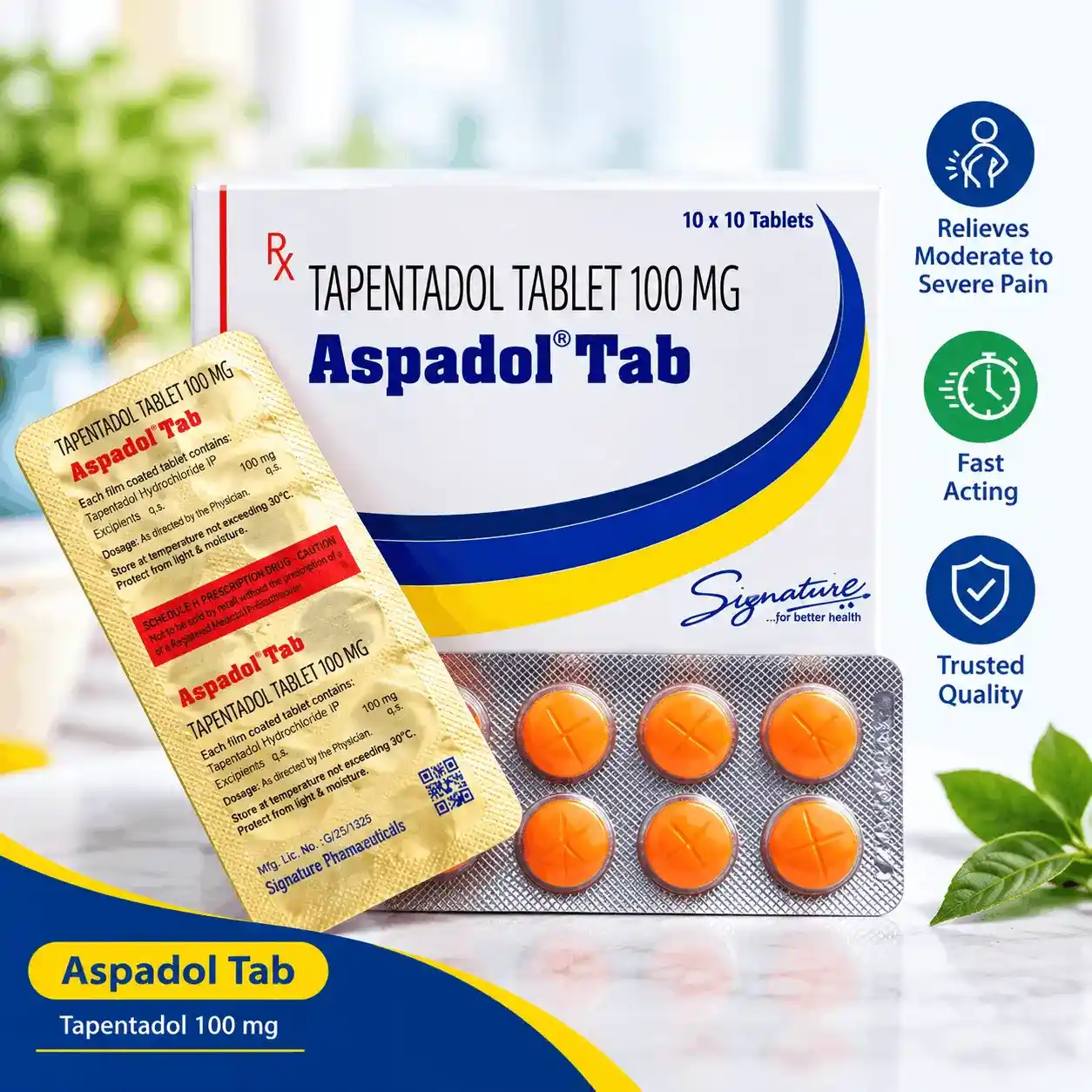
Tapentadol is a centrally acting synthetic analgesic belonging to the opioid (narcotic) class of medicines. In Australia, it is marketed primarily under the brand name Palexia IR and is classified as a Schedule 8 (S8) controlled drug, meaning it can only be obtained with a valid prescription from an authorised healthcare professional.
The medication is available in immediate-release film-coated tablets in strengths of 50 mg, 75 mg, and 100 mg of tapentadol (as hydrochloride). Extended-release formulations (such as Palexia SR or Tapaday 200 mg) are also available in some markets, providing prolonged pain control for chronic conditions.
Tapentadol is indicated for:
What sets tapentadol apart from classical opioids like morphine or oxycodone is its dual mechanism of action within a single molecule.This unique pharmacological profile contributes to its analgesic efficacy while potentially reducing certain opioid-related side effects.
Tapentadol binds selectively to mu-opioid receptors in the brain, spinal cord, and peripheral tissues.Activation of these receptors inhibits the ascending pain pathway, reducing the perception of pain.However, tapentadol has a lower affinity for mu-opioid receptors compared to morphine (approximately 50-fold weaker), which may contribute to a reduced risk of certain opioid-associated adverse effects.
Tapentadol also inhibits the reuptake of norepinephrine at nerve terminals, increasing its concentration in the synaptic cleft. Elevated norepinephrine activates alpha-2-adrenergic receptors in the spinal cord and brain, enhancing the body's descending inhibitory pain pathways.This non-opioid mechanism provides additional analgesia, particularly beneficial in neuropathic pain states.
The combination of these two mechanisms produces synergistic analgesia, meaning the pain-relieving effect is greater than what either mechanism would achieve alone. Clinical studies suggest that tapentadol provides analgesic efficacy equivalent to equipotent doses of oxycodone but with improved gastrointestinal tolerability (less nausea, vomiting, and constipation).
Dosage must be individualised based on pain severity, prior analgesic experience, and patient response under close medical supervision.
Like all opioids, tapentadol can cause side effects, though its dual mechanism may result in a more favourable tolerability profile.
Most side effects are mild to moderate and tend to diminish with continued use as the body adjusts. However, if side effects persist or become bothersome, consult your doctor.
Tapentadol can interact dangerously with other medications and substances.
Tapentadol's norepinephrine reuptake inhibition may increase serotonin levels. Combining with other serotonergic agents can precipitate serotonin syndrome, a potentially life-threatening condition. Symptoms include agitation, hallucinations, rapid heart rate, fever, muscle rigidity, nausea, vomiting, and diarrhoea. Seek immediate medical attention if these occur.
Drugs that increase serotonin risk:
As noted above, tapentadol must not be used with MAOIs (e.g., phenelzine, tranylcypromine, linezolid) due to the risk of severe hypertensive reactions.
May increase the risk of urinary retention and severe constipation.
Always inform your doctor and pharmacist of all medications, supplements, and herbal products you are taking before starting tapentadol.
Discuss the following with your healthcare provider:
Disclaimer: This information is for educational purposes only and does not constitute medical advice. Always consult a qualified healthcare professional before starting, stopping, or changing any medication.
No. Tapentadol is a Schedule 8 controlled drug and **requires a valid prescription** from an authorised healthcare provider. Purchasing it without a prescription is illegal and poses significant safety risks.
Immediate-release tablets typically begin relieving pain within **30 to 60 minutes** after ingestion, with peak effects occurring around 1 to 2 hours.Extended-release formulations provide sustained relief over 12 to 24 hours.
Tapentadol provides analgesic efficacy **equivalent to oxycodone** at equipotent doses but with a dual mechanism that may improve tolerability. It is generally considered more potent than tramadol, which also has dual action but weaker opioid activity.
Yes. Tapentadol's norepinephrine reuptake inhibition makes it particularly effective for **neuropathic pain** conditions such as diabetic peripheral neuropathy.
If you are taking tapentadol on a scheduled basis, take the missed dose as soon as you remember unless it is almost time for your next dose. **Do not double up** to make up for a missed dose.If taking it "as needed" for acute pain, simply take it when pain occurs, respecting the minimum 4-hour interval between doses.
No. Alcohol significantly increases the risk of severe drowsiness, respiratory depression, overdose, and death when combined with tapentadol.
Tapentadol should only be used during pregnancy if the potential benefit justifies the potential risk to the foetus. Prolonged use during pregnancy can cause **neonatal opioid withdrawal syndrome** (life-threatening for the newborn). Tapentadol may pass into breast milk; consult your doctor before breastfeeding.